.avif)
Need help choosing your first instrument? Looking for trusted recommendations to upgrade your rig? This guide highlights dependable gear our team regularly recommends to guitarists and bassists.
First electric guitar
⭐ Staff pick: Squier Strat or Tele
You can’t go wrong with a classic Fender Stratocaster or Telecaster. These iconic models have been trusted by guitarists of all genres for decades, and their popularity isn’t fading in the slightest.
They’re easy to play and versatile, making them a great choice for beginners. If you don’t have $800+ for a standard Fender Strat or Tele, Fender’s Squier line of guitars offers an affordable entry point to these models that make for a perfect starter guitar.
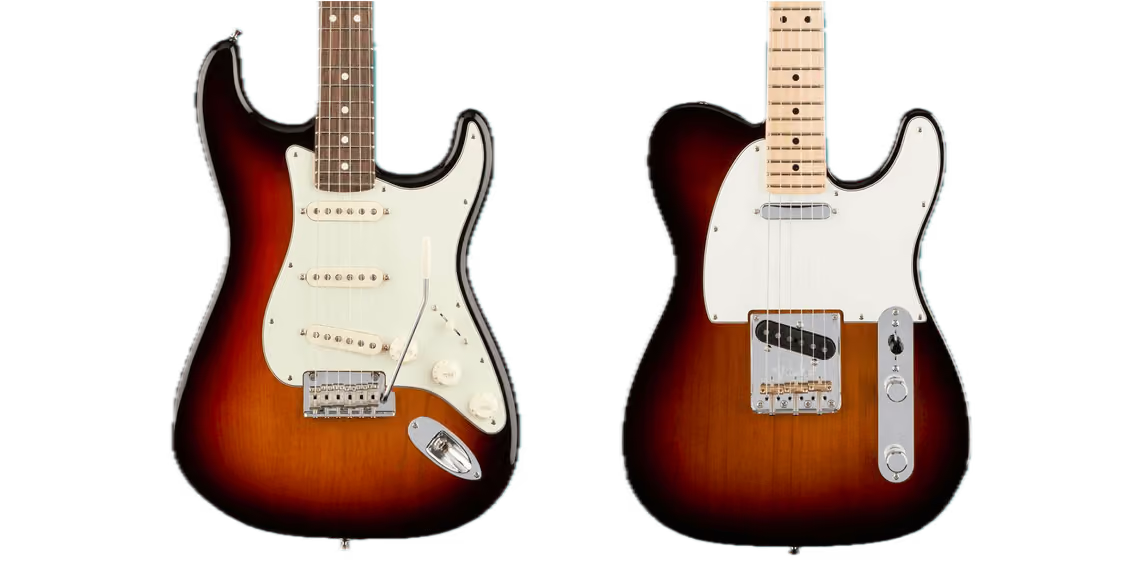
Compared to a standard Fender model, Squier guitars use more affordable materials and manufacturing processes. But for someone just starting out, these differences are minor. Squier guitars still capture the feel and core sound of a Strat or Tele, and they’re more than capable of taking you from your first chords to your first gigs.
They are also super easy to modify, so you can upgrade parts as you progress and learn what specs and sounds you like. Whether it’s the neck, body, tuners, pickups, pickguard, or wiring configuration, Squiers are the perfect foundation to make your guitar unique to you.
Also recommended:
PRS SE models
Players who prefer a slightly more modern feel should check out PRS guitars. The necks tend to feel smooth and fast. Many models use humbucking pickups that provide a higher-output sound compared to a traditional Strat. Or get one if you’re a fan of John Mayer (who left Fender for PRS in 2014).
Ibanez solidbody models
Many guitarists drawn to rock, metal, and other high-gain styles prefer Ibanez for their fast necks and pickups, but they’re versatile enough to work across a wide range of genres. Cecil Alexander actually uses an Ibanez in the Jazz Soloing Learning Pathway.
Harley Benton
Harley Benton guitars pack in a lot of value for a lower price tag with guitar styles paying tribute to iconic models like the Strat, Tele, SG, Les Paul, and more. These are especially popular with European players.
Gretsch entry-level models
Want something that looks and sounds a bit more unique? Check out a Gretsch for a stylish guitar with a special tonal character and an entry-level price tag.
First electric guitar amp
⭐ Staff pick: Fender Mustang LT25
Your first amp should be compact, affordable, and packed with useful effects. The Fender Mustang is perfect for home practice and experimenting with different tones.
It comes preloaded with 20 amp models, 25 effects, and 30 presets that’ll give you everything you need as a beginner. It also includes a headphone jack for low-volume practice and an aux input so you can play along to your favorite Pickup jam tracks.
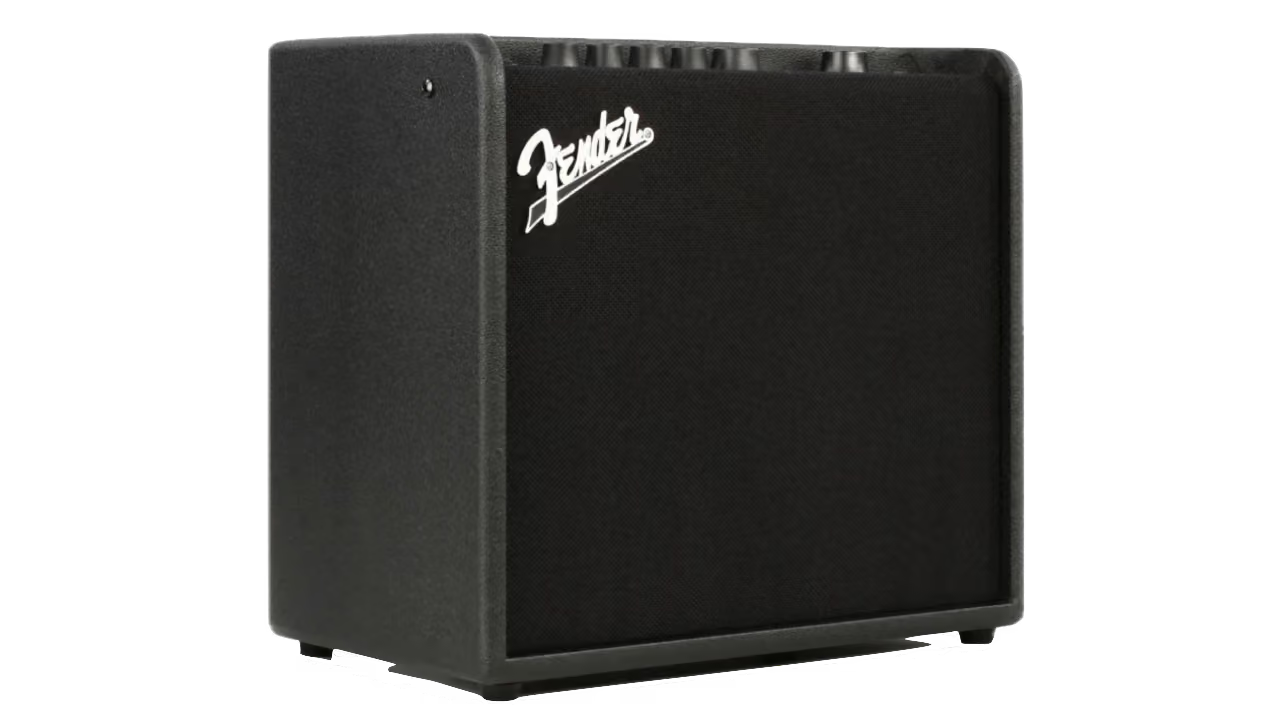
Its single 8-inch speaker will work well enough for a casual jam session, but if you plan on gigging, you might want something that packs a bit more punch (like its bigger brother, the Mustang LT50).
Also recommended:
Boss Katana series
If you want one amp that can cover a wide range of sounds beyond Fender’s core tones, look into the Boss Katana series. These amps are known for their versatility, built-in effects, and solid value, making them a popular choice for beginners and experienced players alike.
Vox Mini Go
Need something compact and easy to move around? With both a 3-watt and a 10-watt option, the Vox Mini Go is tiny, but packed with useful practice features like a looper and built-in drum rhythms, making it a great option for home practice or jamming anywhere.
Fender Champion / Frontman
If you want something simple and straightforward, Fender’s Champion and Frontman amps are great beginner-friendly combos. They’re easy to use, widely available, and well-suited for players who just need a solid practice amp without the extra complexity of effects and different types of amp sounds.
Line 6 Spider
On the other hand, if you’re looking for lots of tones and built-in amp models, you should check out the Line 6 Spider. With three different options to choose from, it’s long been a favorite among beginners and practice-focused players who want easy access to a variety of sounds in one amp.
First acoustic guitar
⭐ Staff pick: Yamaha FG800
Guitarists of every level swear by the quality and value of Yamaha’s acoustic guitars – especially the FG800. Its solid spruce top construction and superb neck make it a perfect starter guitar that will only get better with time.
Jamming with others or playing for an audience? Yamaha’s System 68 analog preamp keeps things simple and easy to use, with controls for volume and EQ that help you shape your sound without much fuss. Plugged in, it delivers a natural tone with less of the harshness players sometimes associate with piezo systems. Make sure you’re heard loud and clear without losing out on tone and dynamics.
.avif)
Want a guitar with a cutaway? Want a different shape? Want 12 strings? Yamaha makes tons of different versions of the FG800 series that include features for every player at every price level.
One of the most attractive features of Yamaha guitars (acoustic or electric) is their dependability throughout seasons. Lots of guitars go out of tune or need to be set up regularly due to changing temperatures and humidity levels. Many players who have had Yamaha FG800s for years (and even decades) boast about how well they stay set up even through the roughest seasonal changes.
Also recommended:
Taylor Baby or Academy series
If you have smaller hands or struggle with bar chords, the Taylor Baby or Academy series may be the solution. These guitars offer a more approachable size, smooth playability, and a polished feel that can make learning more enjoyable.
Sigma
If value is a top priority, Sigma acoustics pack in a lot for the price. Originally created by Martin and now manufactured in China, they’re known for delivering a classic acoustic tone and traditional styling at a budget-friendly cost.
Takamine G Series
Takamine is a strong option for players who want a reliable acoustic from a well-established brand. Their guitars have been used by countless performers and are known for dependable quality and a familiar, versatile sound. The G Series is an especially good value for beginner and intermediate guitarists.
First bass
⭐ Staff pick: Squier Precision or Jazz Bass
Ever since Leo Fender revolutionized music with the first electric bass, the Precision and Jazz basses have been a staple for beginners and recording pros alike.
Squier Precision and Jazz basses give beginner bassists access to that same classic foundation, with reliable construction and versatile tone that works well for just about any style.

As with all Squier and Fender guitars, these basses are easy to modify and upgrade – whether you do it yourself or take it to a professional. Simply put, a Squier can easily become your forever bass.
Also recommended:
Squier Mustang Bass
Whether you’re coming from guitar or have smaller hands, the Squier Mustang Bass offers a comfortable size that’s easier for some players to handle. Its short-scale design also gives it a unique tone that separates it from the Precision and Jazz Bass.
Harley Benton Jazz Bass
If you’re in Europe and budget is the top priority, Harley Benton basses pack in a lot of value for the price. Their Jazz Bass-style models are especially appealing for players who want a very affordable instrument with solid tone and familiar styling.
Sire V Series
If you prefer a more modern feel, you may want to check out the Sire V Series. These basses offer expanded tonal options and comfortable necks that appeal to beginners and more experienced players alike. If Sires are good enough for Marcus Miller, they just might work for you.
Ibanez GIO basses
Ibanez is a well-established brand trusted by bassists of every skill level. GIO basses are a strong option if you’re after something comfortable, approachable, and unique-looking. They’re beginner-friendly instruments with a modern feel and enough versatility to cover a wide range of styles.
First bass amp
⭐ Staff pick: Fender Rumble 15
If you want a bass amp that’s reliable and easy to start using right away, look no further than the Fender Rumble 15. It’s lightweight and delivers enough low-end response for home practice without taking up much space.
.avif)
You can plug in and dial in a good tone quickly. This means you can spend more time playing instead of getting lost in extra features. It’s also compact enough for bedroom practice or small spaces, which makes it an easy amp to live with day to day.
For new players learning how to control dynamics, lock in their timing, and develop a solid bass tone, the Rumble 15 gives them a straightforward, reliable foundation.
Also recommended:
Fender Rumble 40 / 100
Players who need a little more volume and low-end headroom may want to check out the Fender Rumble 40 or 100. These models are just as easy to use, but their higher wattage means that they’re better suited for rehearsals, jam sessions, and smaller gigs.
Ampeg Rocket Bass series
Want a more classic bass sound? The Ampeg Rocket Bass series is definitely worth a look. These amps bring some of that familiar Ampeg warmth and punch in a compact combo format that works well for practice and smaller playing situations. Like the Rumble series, there are different options to suit every use case.
Ashdown combo amps
Ashdown combo amps are a solid option for players who want more of a British, punchy tone at an affordable price. They’re especially appealing for beginners looking for a bass amp with a little personality and enough versatility for different styles.
Mid-range electric guitars (under $2,000)
⭐ Staff pick: Fender Player Series Strat or Tele
If you want a guitar that feels like a serious long-term instrument without a crazy price tag, the Fender Player Series Strat or Tele is a great place to start.
These guitars offer the familiar Fender feel and tone players know and love, with enough quality and reliability to handle rehearsals, gigs, and studio work for years. Outfitted with modern specs and a satin neck that make them easy to pick up and start playing, the Fender Player series strikes a sweet spot between classic Fender identity and modern reliability.

The Player series offers a kind of Goldilocks guitar between entry-level Squiers and more expensive, American-made Strats and Teles. These are made in Fender’s Mexico factory, and players love their balance of high quality and affordability.
As with every Fender guitar, the Player series offers many different features, so you can find the guitar that fits your playing style.
Also recommended:
Epiphone Les Paul Standard
Looking for that classic rock sound? Maybe what you need is the thick humbucker tone of an Epiphone Les Paul Standard. Its pickups and classic single-cut design make it a strong choice for rock, blues, and any style that benefits from a fuller tone or lots of distortion.
PRS S2 McCarty 594
After something a little more refined? The PRS S2 McCarty 594 offers impressive craftsmanship and a vintage-inspired voice. It blends modern build quality with classic feel, making it appealing for players who want a polished, versatile instrument suitable for whatever you throw at it. Some models may be just over $2,000, but you can often find these on sale or on the used market at a great discount.
Reverend guitars
Whether you’re looking for a unique take on a classic design or a whole new style of guitar, Reverend has earned a strong reputation for excellent quality, thoughtful design, and models that stand out from the usual crowd. They’re a great option for players who want something distinctive but still versatile enough for everyday use.
J Mascis Jazzmaster
The J Mascis Jazzmaster is a favorite for players who want offset style, versatile tones, and a tremolo system with its own unique feel. It’s especially appealing to guitarists who want something a little different from the usual Strat or Les Paul path.
Mid-range basses (under $2,000)
⭐ Staff pick: Fender Jazz or Precision bass (American models)
Based on what you’ve already read, is it any surprise that our Coaches chose American-made Fender Precision and Jazz basses as the best mid-range options?
Jazz and Precision basses have been studio and touring staples for decades because they deliver the kind of tone, feel, and reliability that professional bassists depend on. Crafted in Fender’s Corona, California factory, these basses continue the decades-long tradition of quality craftsmanship and meticulous attention to detail.

If you’re after the most vintage-accurate basses, check out the American Vintage II series. Want a more modern bass? Check out the American Professional II line, which is under $2,000. If you’re looking for a high-end experience and the most tonal options, look into the pricier American Ultra II basses.
Also recommended:
Fender JMJ Mustang
If you’ve taken the Learn Walking Bass in 7 Days Challenge, you may have noticed our own Daniel McLaughlin playing a beautifully road-worn short-scale bass. The JMJ Mustang bass is lighter and easier to handle than most other basses, thanks to its 30-inch short scale. Its road-worn finish and 9.5-inch-radius fingerboard with rolled edges make it feel well-worn like a bass you’ve had for decades.
Yamaha BB series
The Yamaha Broad Bass (BB) series is a strong option for players who want a punchy tone and dependable performance. These basses have a reputation for solid construction and practical design. With options that include active pickups or single-coil pickups, they have a lot of tonal capabilities that hold up well in practice rooms, live settings, and recording sessions.
Ibanez SR series
Ibanez SR basses are especially popular with players who want a faster, sleeker feel. The series is known for lightweight bodies and onboard tone shaping that gives players more control than a traditional passive bass. They feel modern, ergonomic, and easy to play – especially for players who value speed and comfort.
Lakland Skyline
Lakland Skyline basses tend to combine familiar body styles with more flexible electronics and refined playability. Experienced players like the comfortable neck profiles, uniquely voiced pickups, and designs that feel rooted in classic bass history while offering a little more range and polish than more traditional options.
Unique & high-end electric guitars
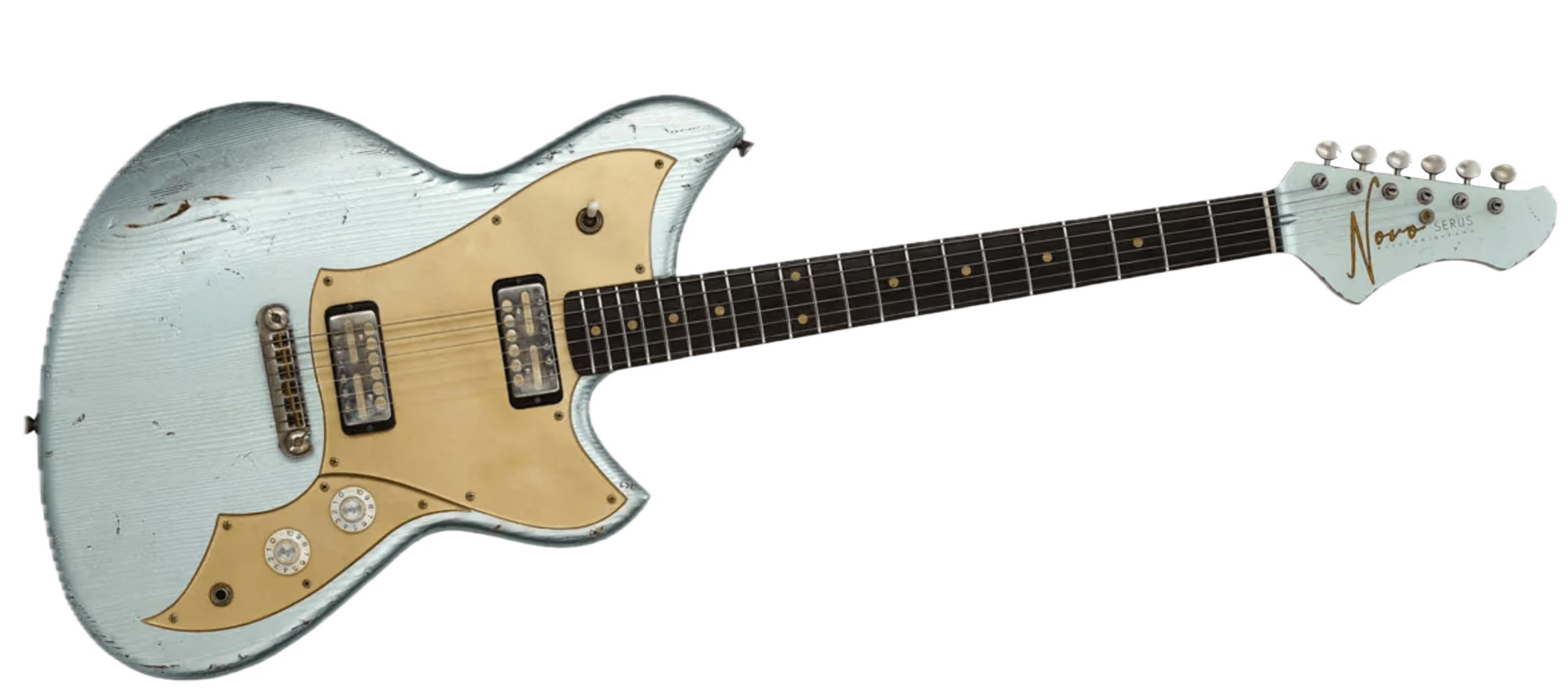
⭐ Staff pick: Novo guitars
Your favorite guitarist’s favorite guitarist probably owns a Novo guitar. These boutique guitars combine modern craftsmanship with vintage inspiration. Each guitar is meticulously designed and hand-built by people who are passionate about their craft. The result is a guitar that feels broken-in and extremely resonant.
Need help choosing your first instrument? Looking for trusted recommendations to upgrade your rig? This guide highlights dependable gear our team regularly recommends to guitarists and bassists.
Also recommended:
Collings guitars
Whether you’re looking for an acoustic or electric, Collings guitars are a favorite among players who care about touch response and defined tone. Hand-built in Austin, Texas, their guitars are known for strong sustain and a finish that feels unmistakably boutique. Even when the designs nod to classic guitar formulas, Collings tends to feature refined contours and a more articulate overall response.
Suhr guitars
If you love the feel and look of vintage Fenders but want more modern features and tonal options, check out Suhr. They’re known for exceptionally clean fretwork, stability, and stainless steel frets. Their switching and pickup options feel tailored to serious working players. Suhr’s SSCII system is a big draw because it reduces hum while keeping the clarity and snap players want from a single-coil guitar.
Tom Anderson guitars
Founded by luthier Tom Anderson in the 1980s, Tom Anderson Guitarworks is renowned for crafting high-quality guitars that combine exceptional playability with unique aesthetics. Each guitar is meticulously built with the needs of modern musicians in mind. This is especially true for the Buzz Feiten tuning system, which is designed to help chords and intonation feel more in tune across the neck.
James Tyler guitars
Are you ready to seriously stand out from the crowd? James Tyler guitars are unmistakable for their bold aesthetics and high-end construction built for the studio. In fact, the brand’s Studio Elite and related lines were shaped by years of feedback from studio and gigging guitarists, which is a big part of why Tyler guitars have such a strong reputation for expressive, studio-ready tone.
Les Paul Standard (‘50s / ‘60s)
If you want the classic single-cut formula at its most iconic, the Les Paul Standard ‘50s and ‘60s remain easy recommendations. Across both versions, you’re getting the core Les Paul recipe: a solid mahogany body with a carved maple top, dual humbuckers, and the thick, sustaining voice that players still associate with classic rock. The main difference is feel: the ‘50s models lean chunkier in the neck, while the ‘60s versions use a faster SlimTaper profile, so players can choose between a more substantial vintage grip and a sleeker response.
Gretsch White Falcon
Want something instantly recognizable? The White Falcon is one of the most iconic electric guitar designs ever produced. It’s famous for large hollow-body construction, gold hardware, ornate binding, Filter’Tron-style pickups, and often a Bigsby vibrato. This results in a huge visual presence that sounds as good as it looks.
Unique & high-end basses
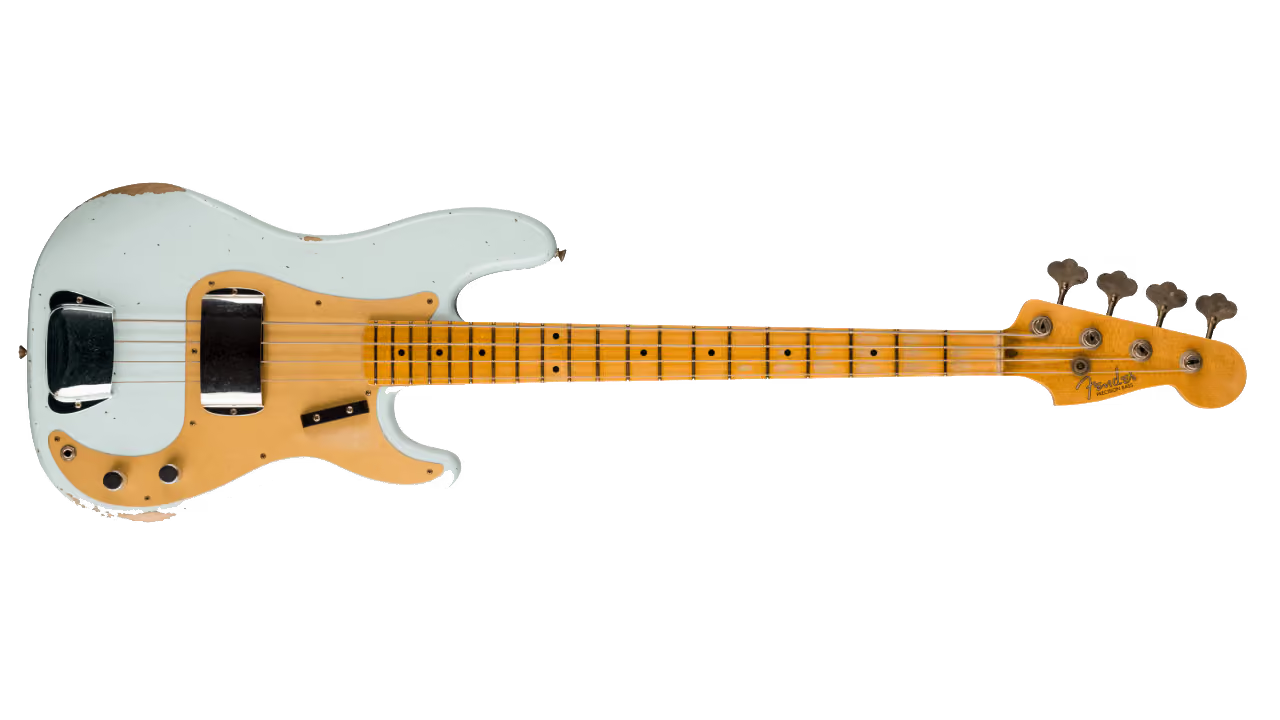
⭐ Staff pick: Fender Custom Shop basses
Are you after that classic Fender bass design but in its most premium form? Look no further than the Fender Custom Shop. The Custom Shop focuses on the vintage-style Precision and Jazz Bass formulas, but with select tonewoods, Custom Shop pickups, beautifully aged nitro finishes, and the choice between Team Built and Masterbuilt construction.
Also recommended:
Fodera basses
Fedoras may not be cool, but Fodera basses are way cool. Their identity is centered on handmade basses built in Brooklyn, N.Y., with a strong emphasis on custom specs, premium tonewoods, and designs shaped around each player’s preferred tone and feel – rather than a fixed vintage template.
Alembic basses
Alembic basses have huge appeal for players who want a more hi-fi and deeply customized approach to bass design. With extensive custom options, exotic woods, and electronics-focused design, Alembic encourages players to build around the exact sound and response they want first and then shape the cosmetic details around that.
Ken Smith / F Bass / MTD / Warwick
If you’re after more of a modern feel and look instead of a traditional Fender-style bass, these boutique brands might just have what you want. They offer active electronics, extended-range options, ergonomic body shaping, and a stronger emphasis on custom construction and contemporary playability.
Fender Bass VI
If you want a truly unique bass, check out Fender’s Bass VI. Debuting back in 1961, these six-string basses may look like baritone guitars, but they have a 30-inch scale length, like most short-scale basses, and they use standard tuning (EADGBE) one octave lower than a guitar. You string these with specialized bass strings, and some options even come with a tremolo arm. You can hear these basses on countless recordings.
Multi-effects pedals
⭐ Staff pick
Ever wondered what Karl and the Pickup Music team use while teaching lessons and performing? Most of the time, it’s the Neural DSP Quad Cortex.
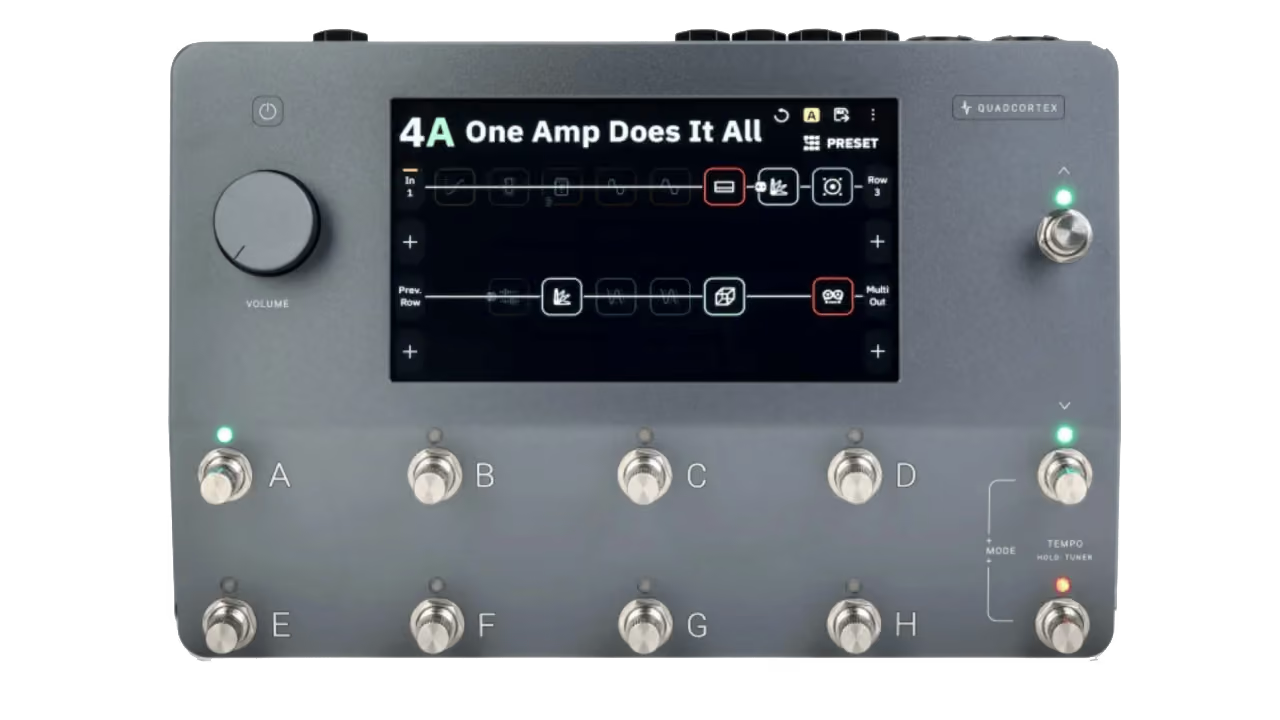
It combines studio-grade amp modeling and effects in a unit that’s extremely portable. It has a touchscreen interface and Neural Capture technology that lets players recreate the sound and feel of real amps, cabs, and pedals inside one compact box, then share them with other users. If the standard Quad Cortex is too bulky for you, they offer a mini version that fits perfectly on pedalboards.
Budget option: Line 6 POD Go
If you want flexible tone-shaping on a budget and without a huge learning curve, we recommend the Line 6 POD Go. It keeps the interface approachable while still giving you pro-level amp, cab, and effects models drawn from the well-established HX family. Plus, you get useful features like an onboard expression pedal, IR loading, and a lightweight design that is easy to carry to rehearsals or gigs.
Distortion
⭐ Staff pick: Boss DS-1
The Boss DS-1 is a classic because it can cover everything from crunchy rock rhythm parts to saturated lead tones without getting overly complicated.
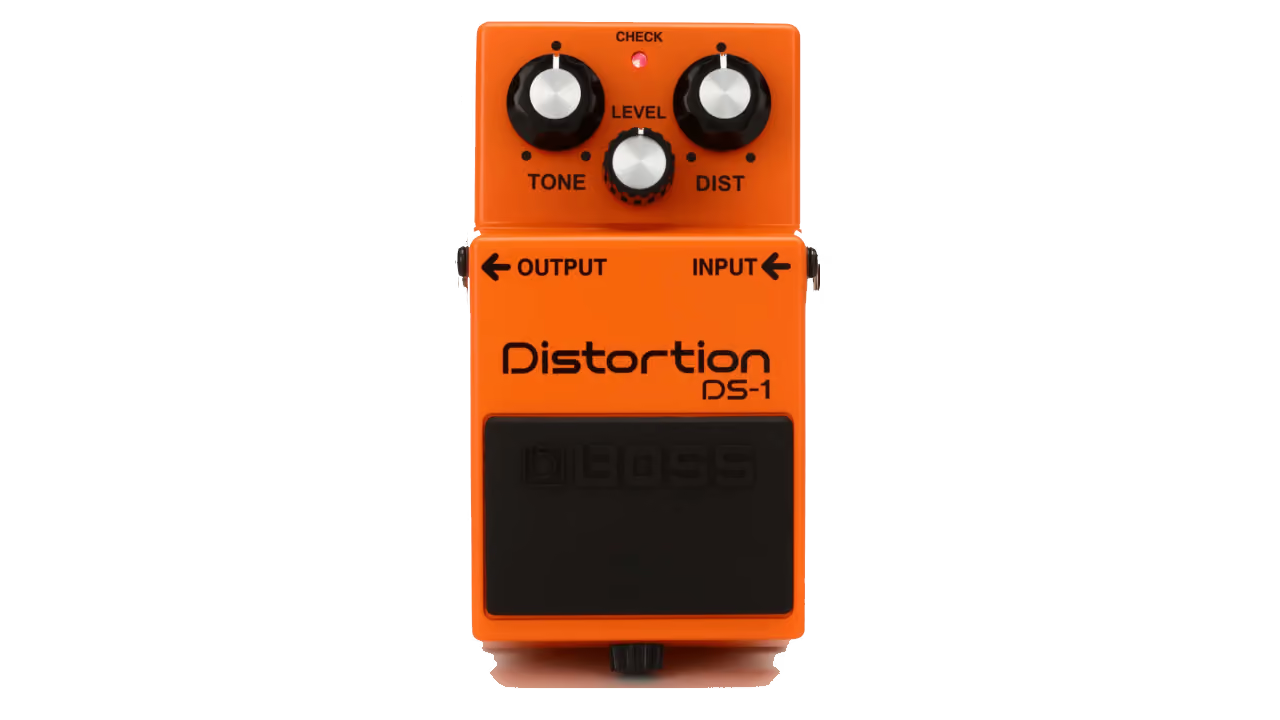
Its simple controls and durable build make it an easy pick for players who need one pedal that can work across punk, metal, indie, blues-rock, and beyond.
Overdrive
⭐ Staff pick: Boss Blues Driver
If you spend any time researching distortion pedals, you’ll find that there are hundreds (maybe even thousands) of options out there. Fortunately, our staff agrees that the Boss Blues Driver is the go-to option for pretty much any player.

Known for its dynamic, touch-sensitive feel, the Blues Driver can stay warm and articulate when you play lightly but push into more aggressive grit when you dig in.
Fuzz
⭐ Staff pick: Pro Co RAT 2
The Pro Co RAT 2 is a beloved distortion pedal with a fuzzier edge, which is exactly why it works so well across heavier and more experimental styles.
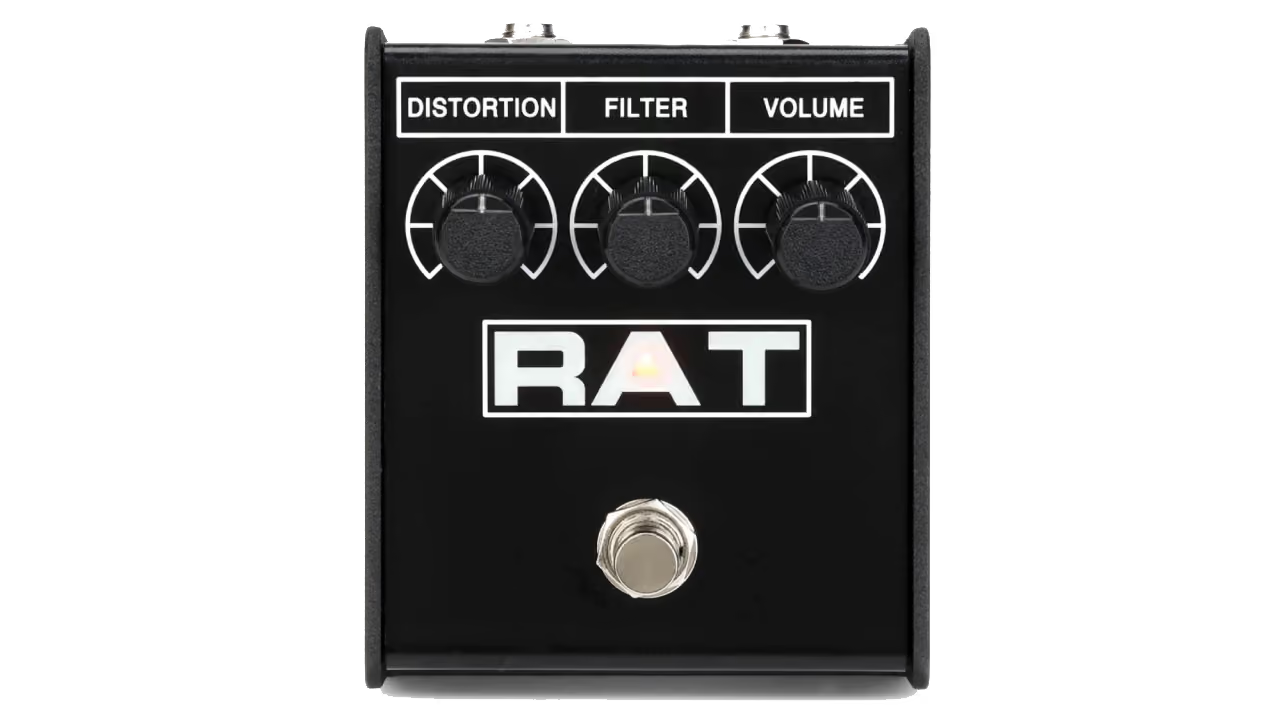
Turn up the gain and it starts to bloom into a thick, compressed sound that can cover fuzzy lead lines, sludgy riffs, garage-rock chaos, and blown-out indie tones without losing its bite.
Boost
⭐ Staff pick: TC Electronic Spark Booster
If you love your core tone but need a little extra push, you can’t go wrong with the TC Electronic Spark Booster. Unlike an overdrive pedal, which adds its own grit and clipping, a boost mainly raises your signal so your amp, pedals, or solos hit harder.
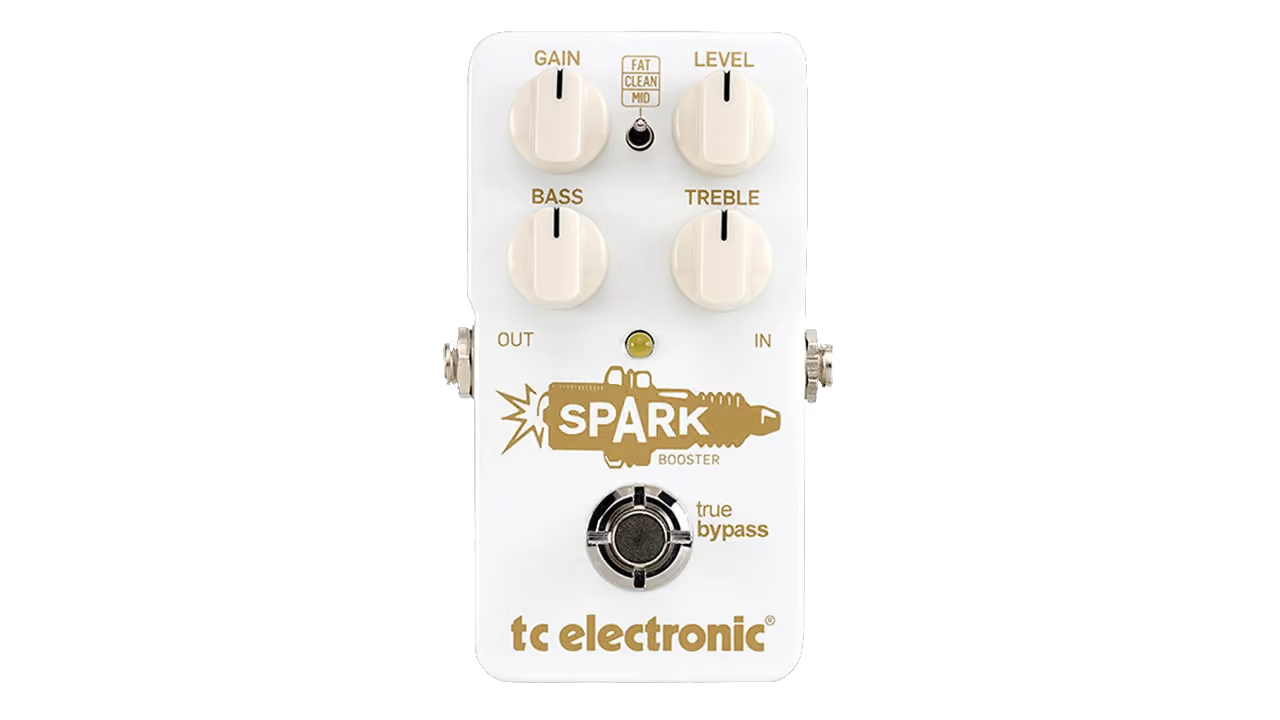
It can add clean volume, brighten up a dark rig, or drive your amp and pedals harder. This makes it a simple but powerful way to bring solos forward and add more life to your sound.
Tremolo
⭐ Staff pick: TC Electronic Choka
A tremolo pedal is a simple concept: it just raises and lowers the volume of your signal. But this effect is responsible for some of the vibiest tones ever. The TC Electronic Choka delivers everything from subtle movement to choppy vintage-style pulses.

It’s an affordable way to add motion, texture, and a little old-school amp character to your tone. From clean chords and surfy riffs to indie parts and shoot-out-at-high-noon Western sounds, it does it all.
Compression
⭐ Staff pick: MXR M76 Studio Compressor
Players who want a compressor that adds control without making their tone feel flattened or overly colored speak highly of the MXR M76 Studio Compressor, thanks in large part to its Constant Headroom Technology. This provides tons of headroom for a transparent tone that’s as dynamic as you need it to be.
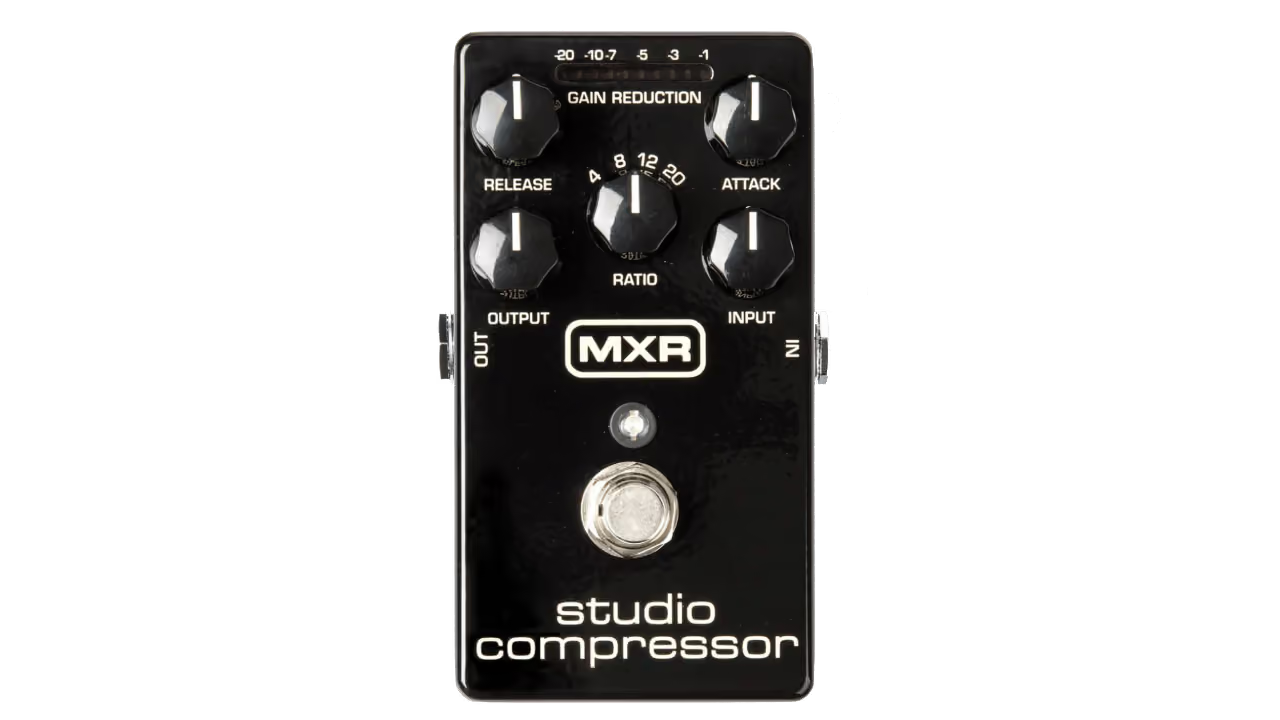
A compression pedal helps you smooth things out. It can make quieter notes feel a little more present, keep louder notes from jumping out too much, and add sustain, which gives your playing a more even, polished feel overall.
EQ
⭐ Staff pick: Boss GE-7
It may not be the most exciting pedal, but adding an EQ to your signal chain is one of the best ways you can shape your tone. The Boss GE-7 is a classic EQ pedal that’s even graced John Mayer’s coveted pedalboard.
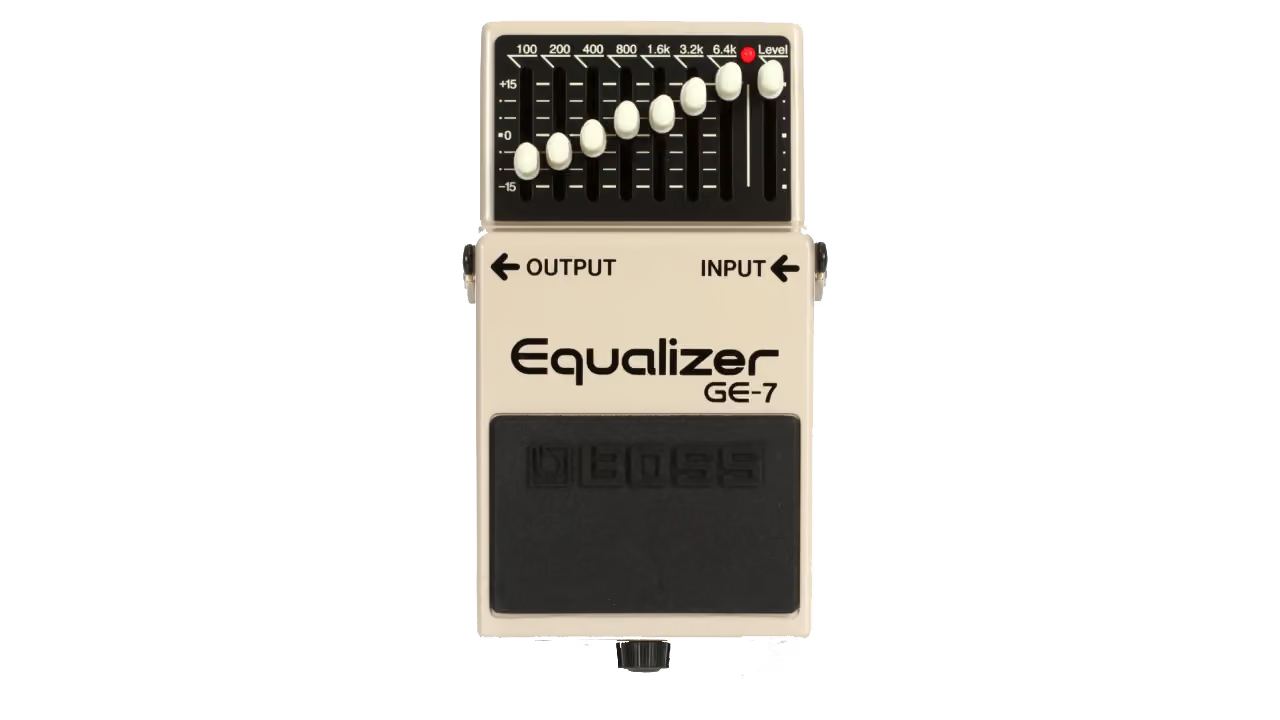
With seven bands of EQ, it lets you tame harsh highs, tighten muddy lows, or boost solos. All these features make it one of the most practical pedals a player can own.
Octave
⭐ Staff pick: Electro-Harmonix Pitch Fork
The Electro-Harmonix Pitch Fork is a compact pitch-shifting pedal that can turn a simple part into something much bigger. As an octave pedal, it can add notes one or more octaves above or below what you play, letting a single guitar cover a much wider frequency range.
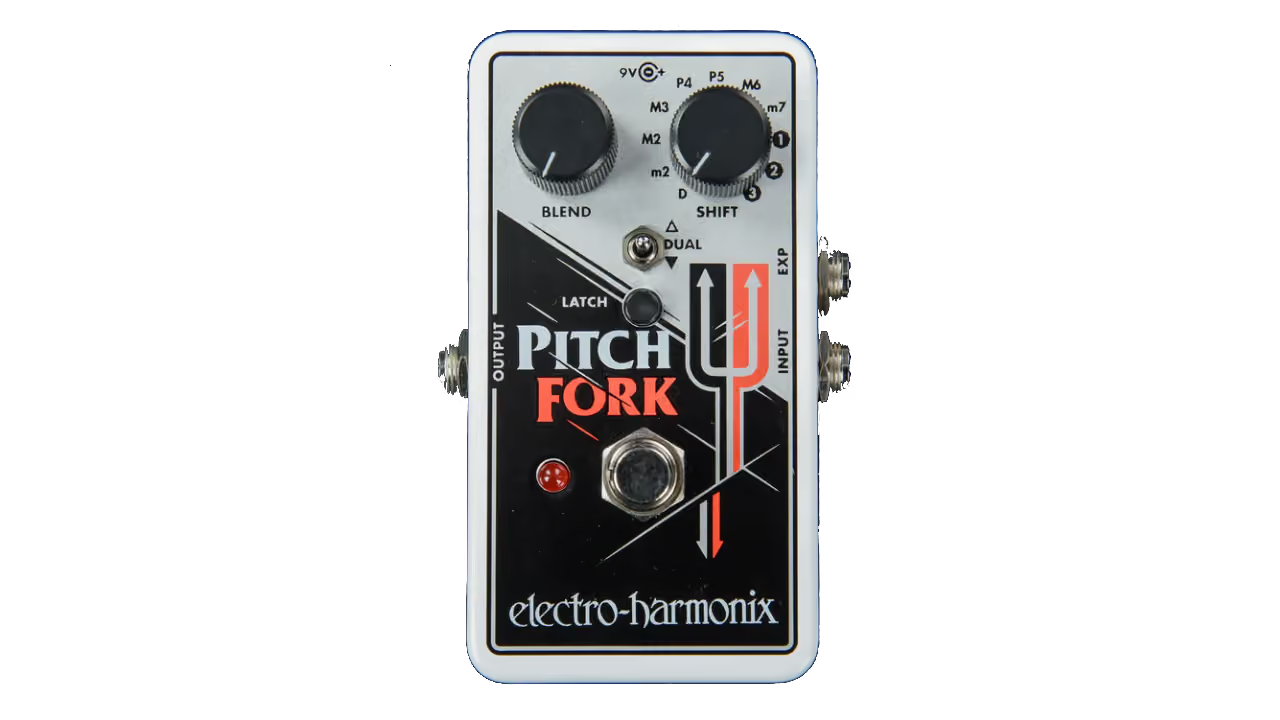
It’s useful for thickening riffs, adding low-end under chord progressions, creating 12-string-style sparkle, or blending the effected signal with your dry tone to make lead lines sound bigger and more layered without bringing another instrument.
Delay
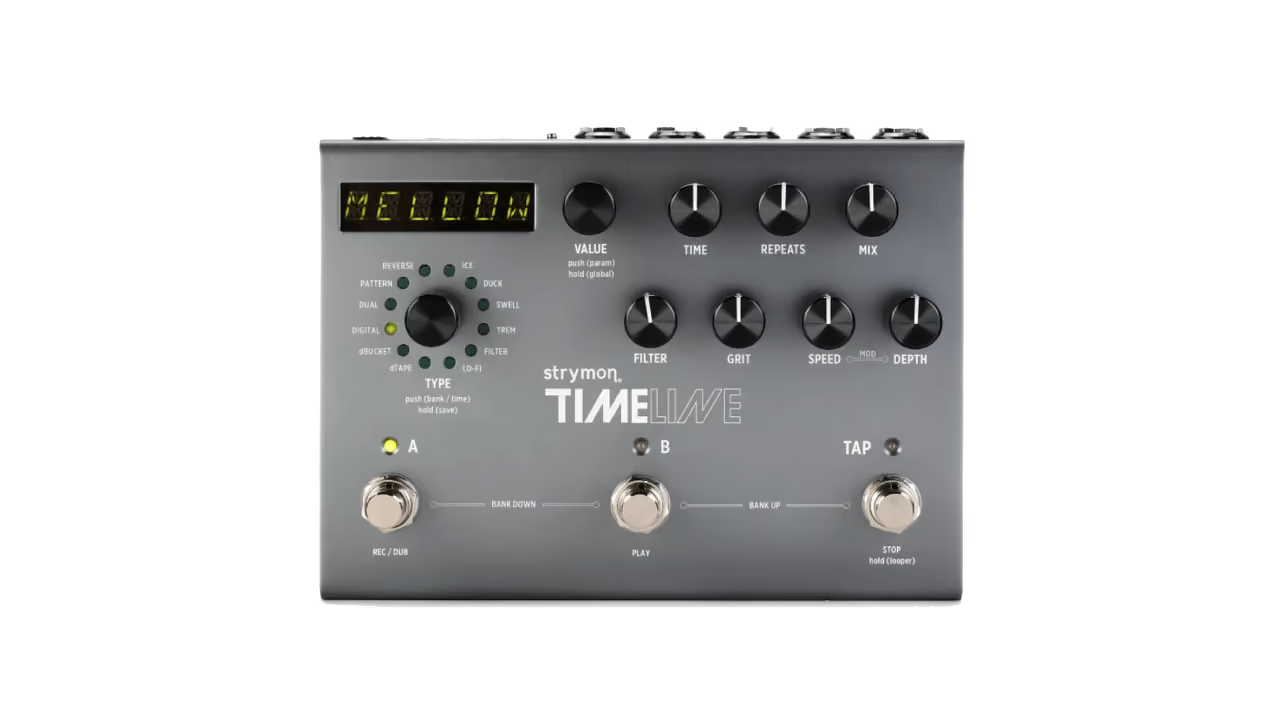
⭐ Staff pick: Strymon TimeLine
If you want delay, you can’t get better than the Strymon TimeLine. It’s armed with studio-quality sound, pristine repeats, 12 delay machines, 200 presets, and a stereo looper – all built into one unit. Whether you’re practicing in your bedroom or playing for a sold-out stadium of people, the TimeLine has everything you need, no matter the genre.
Budget option: Electro-Harmonix Canyon
Many players who want a lot of creative delay sounds without spending boutique-level money choose the Electro-Harmonix Canyon. It packs a wide range of delay types into a compact pedal, including digital, tape-style, reverse, modulated, octave, shimmer, and Deluxe Memory Man-style sounds. Plus, it’s got a built-in looper and tap tempo options, and it comes in a few options to suit your budget.
Reverb
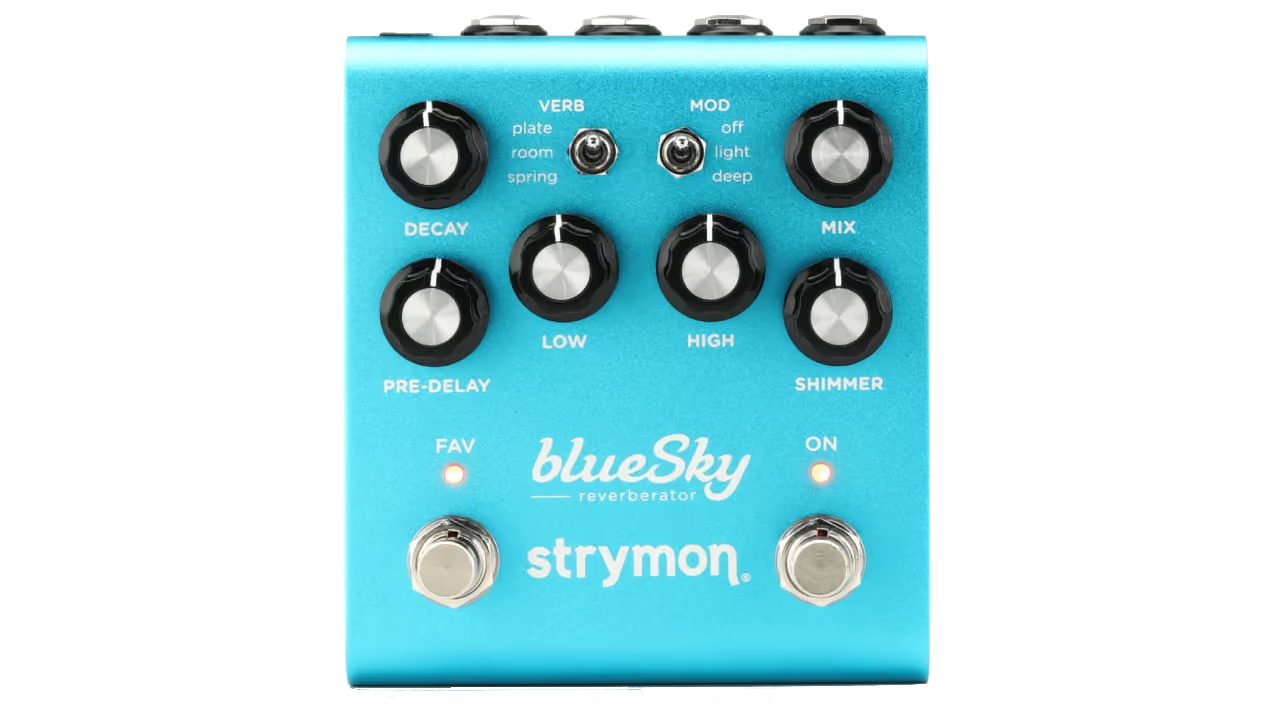
⭐ Staff pick: Strymon blueSky
From always-on reverb to worship guitar-level trails, the Strymon blueSky is the Pickup Music staff’s top pick for a reverb pedal if you have the funds. It’s got three core voicings, optional modulation, shimmer, and extensive preset and MIDI capability for players who want both simplicity and depth. With stereo ins and outs, you can easily create an immersive atmosphere.
Budget option: Electro-Harmonix Oceans 11
If you’re on a budget but still want a lot of reverb options, the Electro-Harmonix Oceans 11 is a no-brainer. As its name suggests, it has 11 reverb styles, covering everything from staple sounds like hall, spring, and plate to more creative options like shimmer, modulated, and reverse-style textures. Despite having a ton of options, players love the simplicity of the pedal and how easy it is to dial in a great sound without menu-diving. EHX offers a few versions of the Oceans line to suit your needs and budget.
Chorus
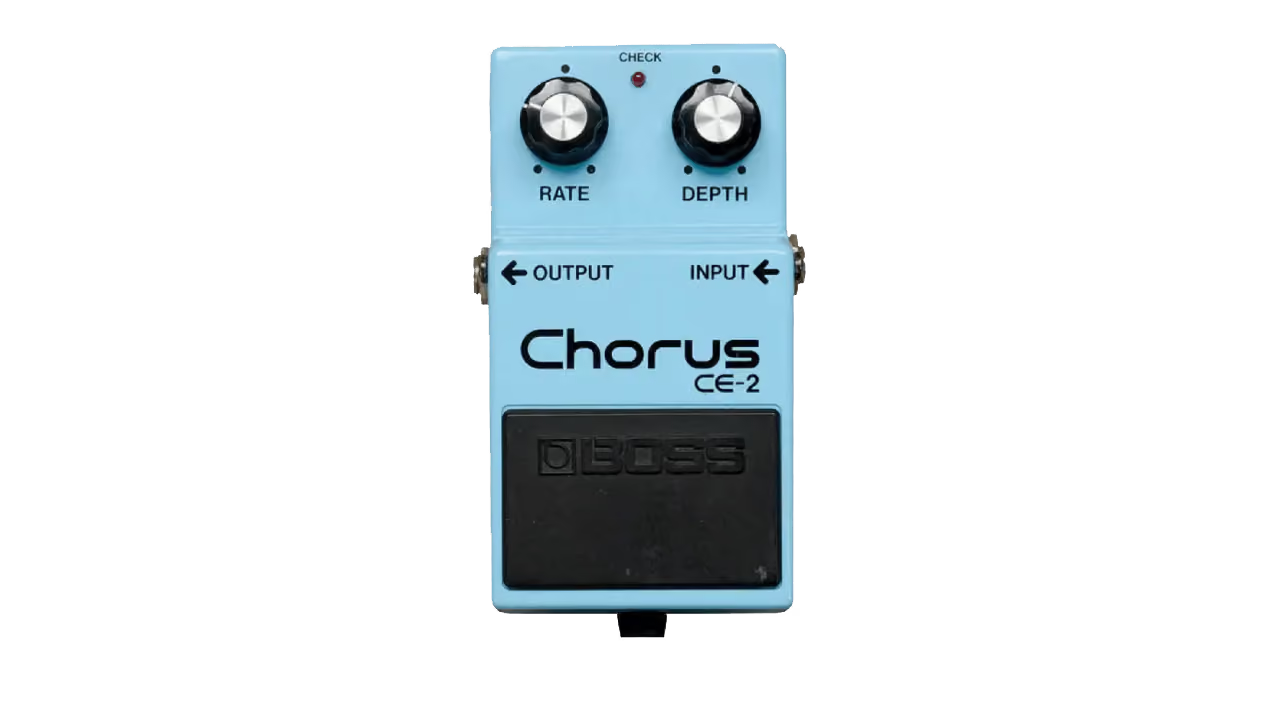
⭐ Staff pick: Boss CE-2
Whether you’re after that nostalgic ‘80s sound or a modern indie vibe, the Boss CE-2 is the king of chorus pedals. It offers a softer, guitar-focused sound that keeps your guitar clear and sharp, which is exactly why it’s been used on many, many recordings since it was released in 1979. You can find a lot of original CE-2s on the used market, or you can go for Boss’s souped-up version, the CE-2W, which includes two different versions of the CE line.
Budget option: TC Electronic 3rd Dimension
The TC Electronic 3rd Dimension offers a great combo of value, features, and usability. It takes inspiration from vintage ‘80s rack-style chorus sounds and keeps the controls extremely straightforward, using four preset-style buttons instead of the usual knob-heavy layout. If you’re not looking for a stereo chorus, this is a phenomenal choice.
Tuner
⭐ Staff pick: TC PolyTune
Would you believe us if we told you that there’s an affordable pedal that can automatically make you sound better? Well, there is, and it’s a tuner pedal. The TC PolyTune stands out from other tuners because it was the world’s first polyphonic tuner. That means you can strum all your strings at once and get a quick read on what is out before fine-tuning individual strings.
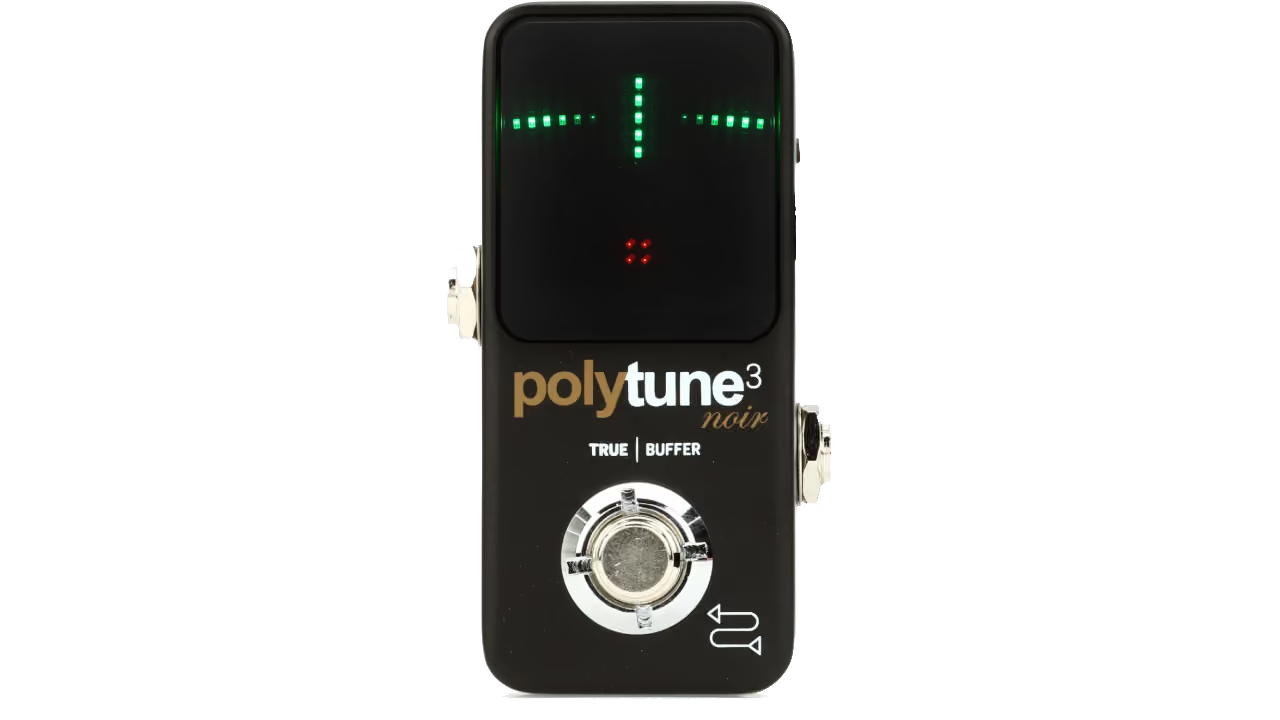
The current PolyTune 3 keeps that idea intact with multiple tuning modes in an ultra-compact format, plus a built-in BonaFide Buffer, which improves your tone over long cable runs. It also comes in a few sizes and color options.
Wah
⭐ Staff pick: Dunlop Cry Baby 535Q
If you want classic Hendrix wah with a little more flexibility, the Dunlop Cry Baby 535Q is an easy choice. It keeps that familiar Cry Baby voice, but adds a six-position range selector, variable Q control, and a switchable boost, so you can shape the sweep from subtle and vocal to sharper and more aggressive.
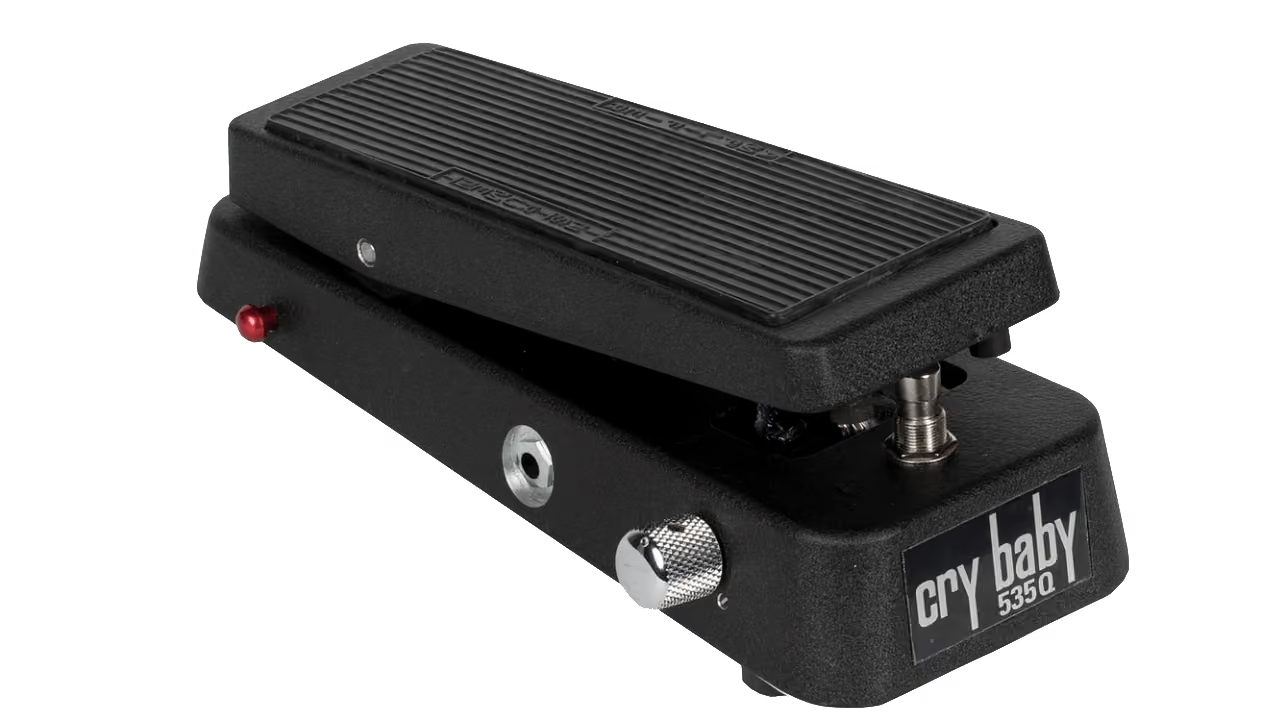
These extra features are a huge reason why the pedal’s found on pro-level recording and touring pedalboards.
Envelope filter
⭐ Staff pick: 3Leaf Audio Proton
For players chasing the auto-wah sound of a Mu-Tron III, the Proton is a standout choice. It’s super touch-sensitive, so the filter opens and closes with your picking dynamics in a way that feels expressive instead of overly polished.
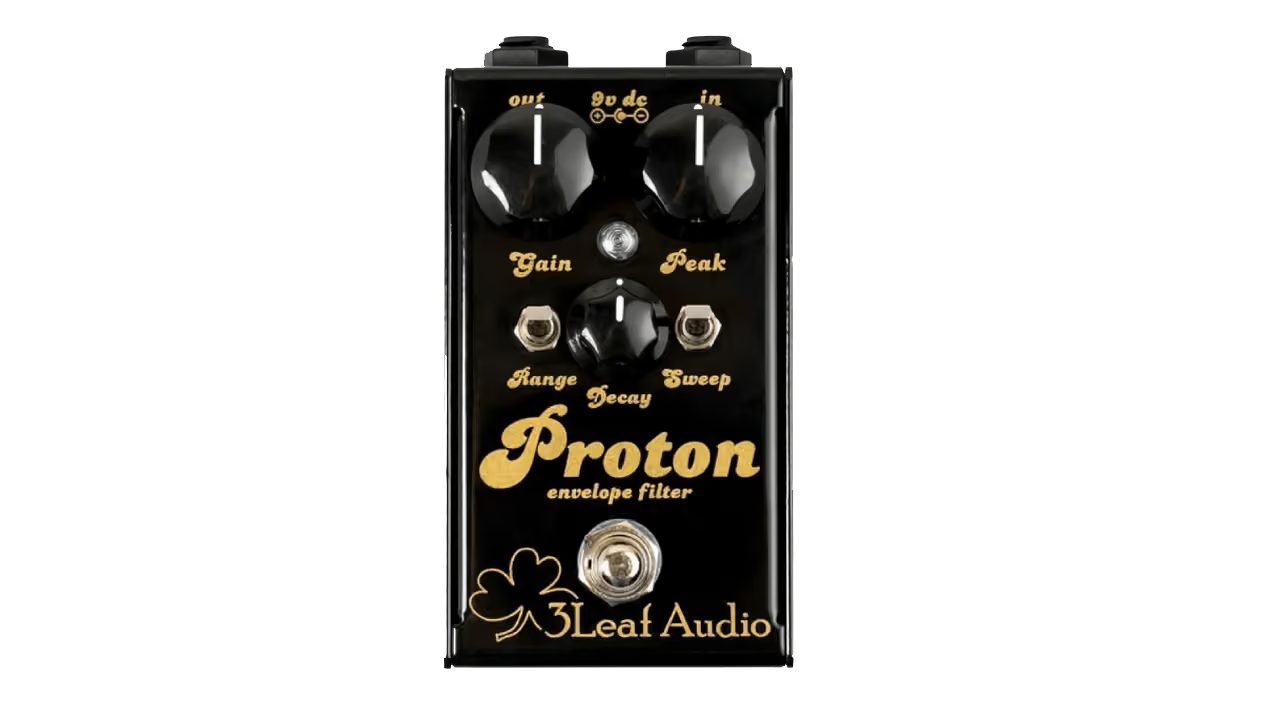
This makes it great for funk and jamming, and it gets you in the neighborhood of that Jerry Garcia-style envelope filter tone. 3Leaf is a small boutique company, so you’ll need to keep an eye out for releases of the pedal to snag a new one. There are usually some up on the used market, too.
Essential accessories
Strings
Let’s be honest: Without strings, your guitar won’t sound very good (or at all). Luckily for you, the Pickup Music staff has some advice for choosing the right strings. Whether acoustic, electric, or bass, Ernie Ball is the classic choice for a lot of guitarists. They’re affordable and sound great.
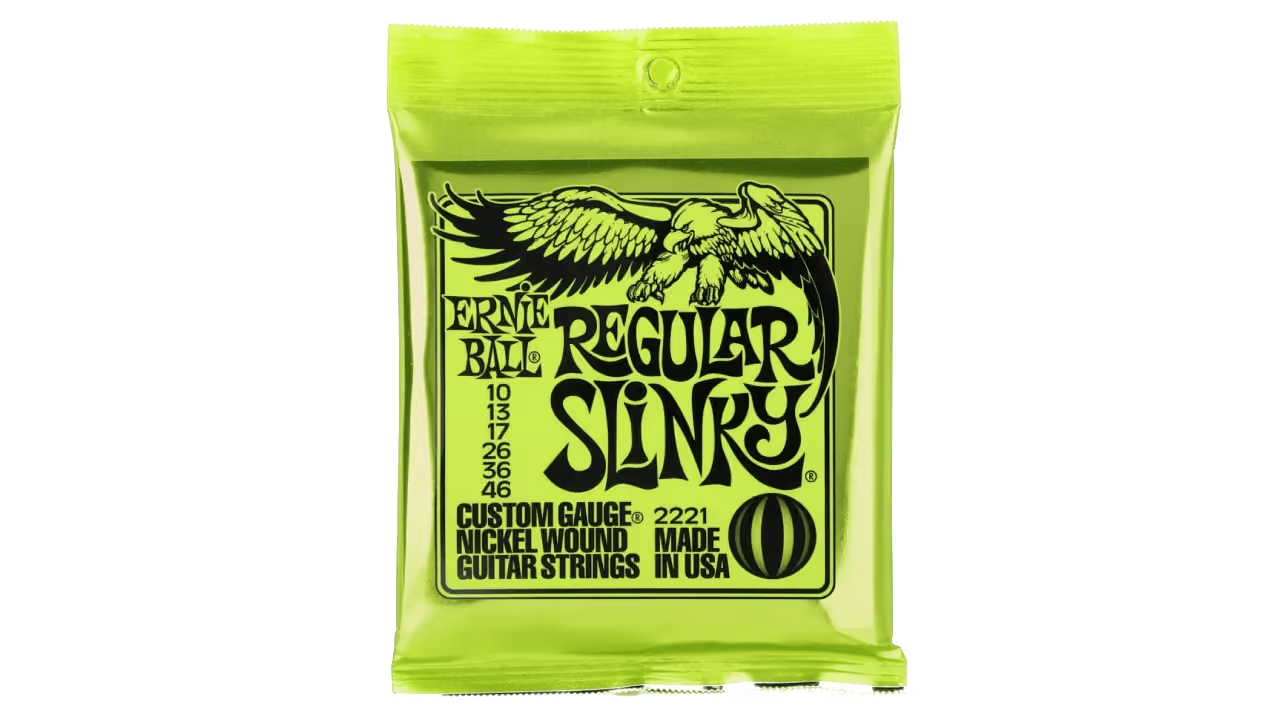
D’Addario offers a huge range of options, from standard XL sets to stronger NYXL and coated XS strings that last longer than conventional strings. There’s a reason Taylor puts them on all their guitars.
Elixir is another go-to for players who want coated strings that hold onto their tone longer and need fewer changes.
Cables
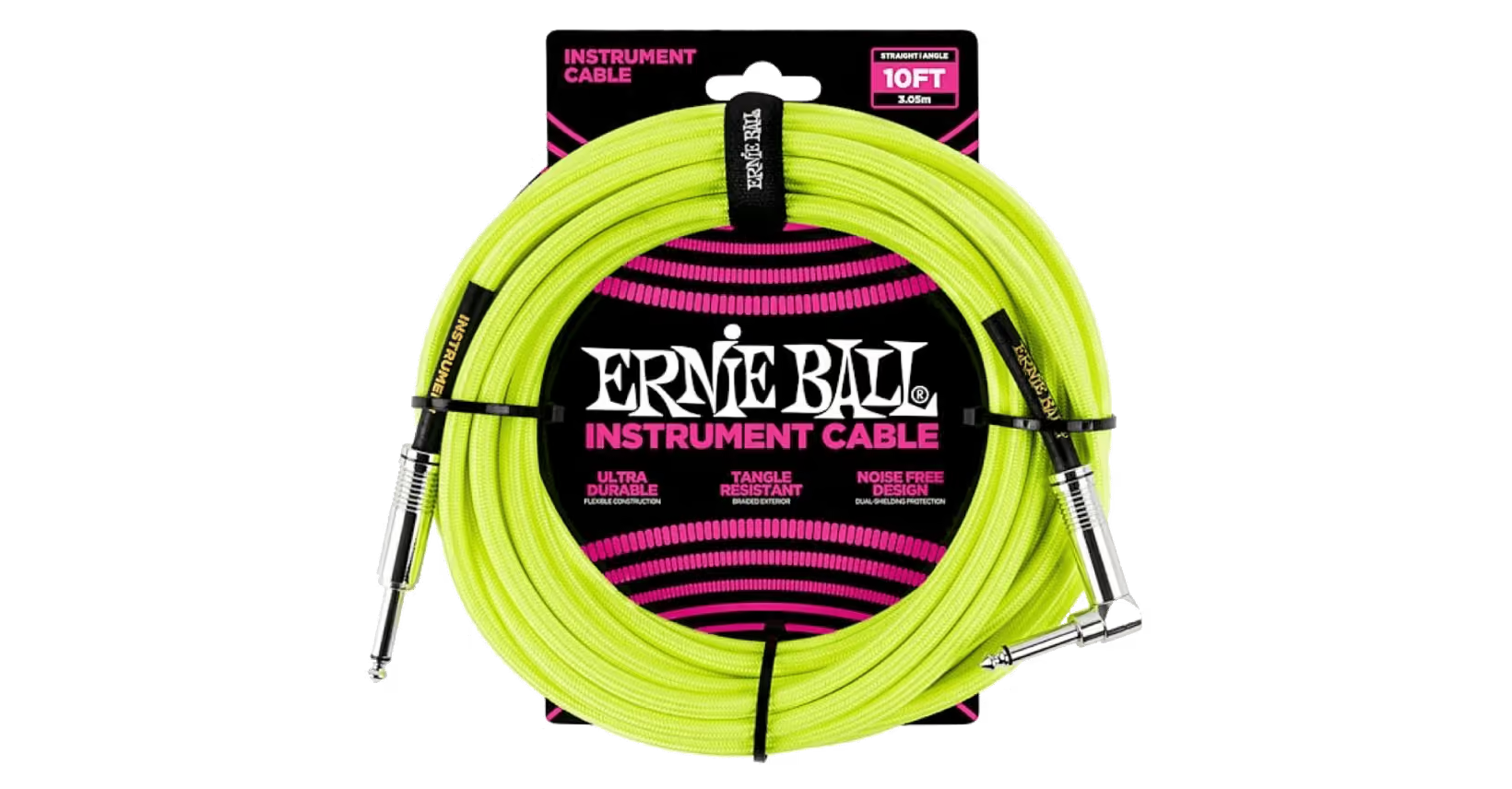
A good cable should be the least interesting part of your rig. What matters is durability, flexibility, and low noise, so you can plug in and forget about it instead of chasing hum, crackle, or a stiff cable fighting you on the floor. Brands like Mogami, Ernie Ball, and Monster Cable have built their reputation around exactly that: low noise, flexibility, and solid construction.
Straps

In addition to your guitar’s finish, a strap is a great way to add some personality to your rig, but keep in mind that you should prioritize comfort.
We highly recommend a padded strap, which can make a real difference on longer sessions or gigs by giving your shoulder and back a little more support, especially if you play a heavier guitar or bass. Some go-to strap brands you can check out include Levy’s, Mono, and Neotech.
Capos
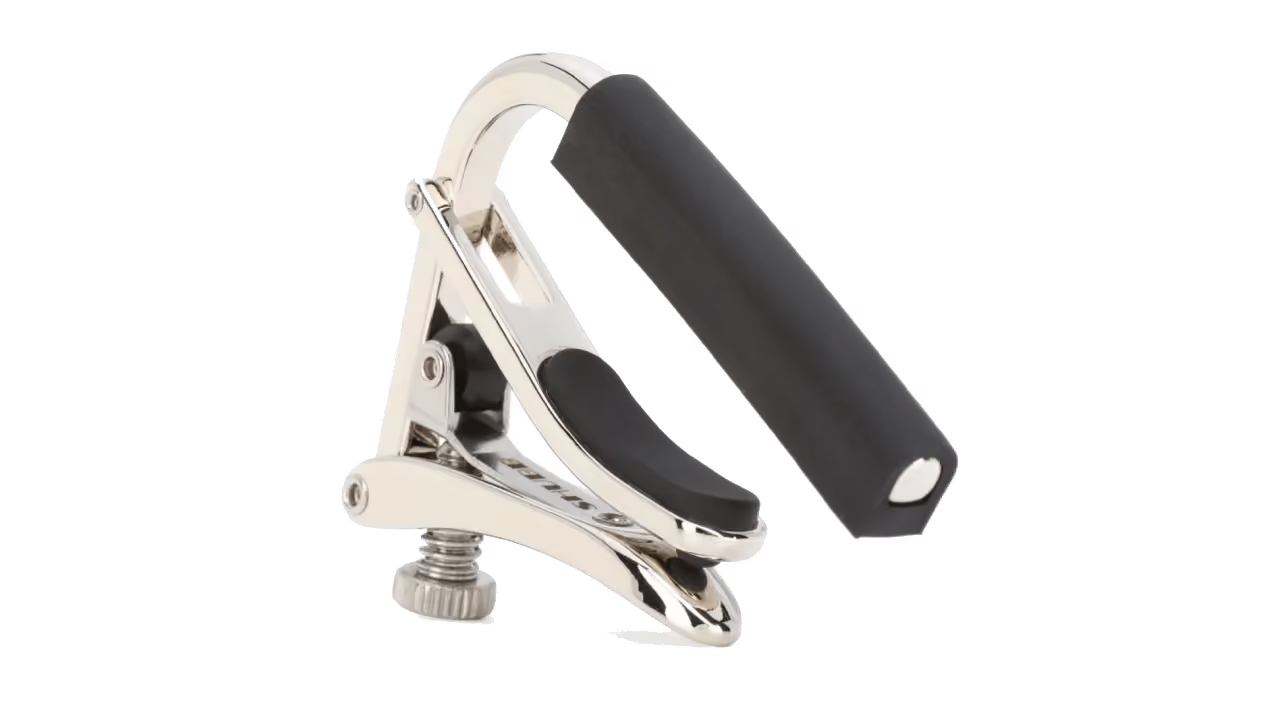
You might think a capo is just a capo. But not all capos are created equal. Many don’t transfer tension equally throughout the strings, which means you have to retune each time you put one on, move it around, or take it off. Brands like Shubb and G7th solve this issue with capos that distribute tension equally through each string to ensure you stay in tune. They also offer a lot of options to suit your budget and aesthetic.
Slides
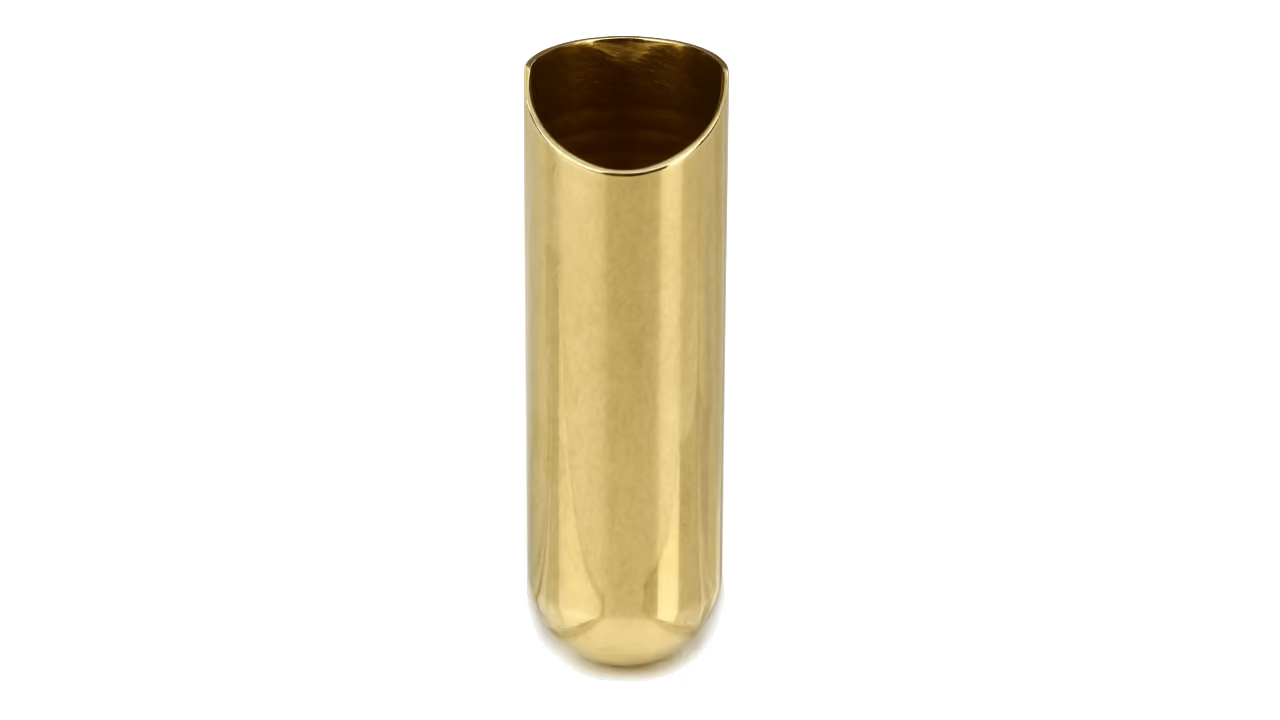
Delta blues slide guitarists may have started with knives and bottlenecks, but slide has come a long way technologically. Rock Slide stands out because the design is focused on comfort and control, not just material. Features like the tapered interior, finger rest, and knuckle cutaway make them feel more secure and easier to maneuver, which is a big part of why so many slide players (including Ariel Posen) swear by them.
Maintenance
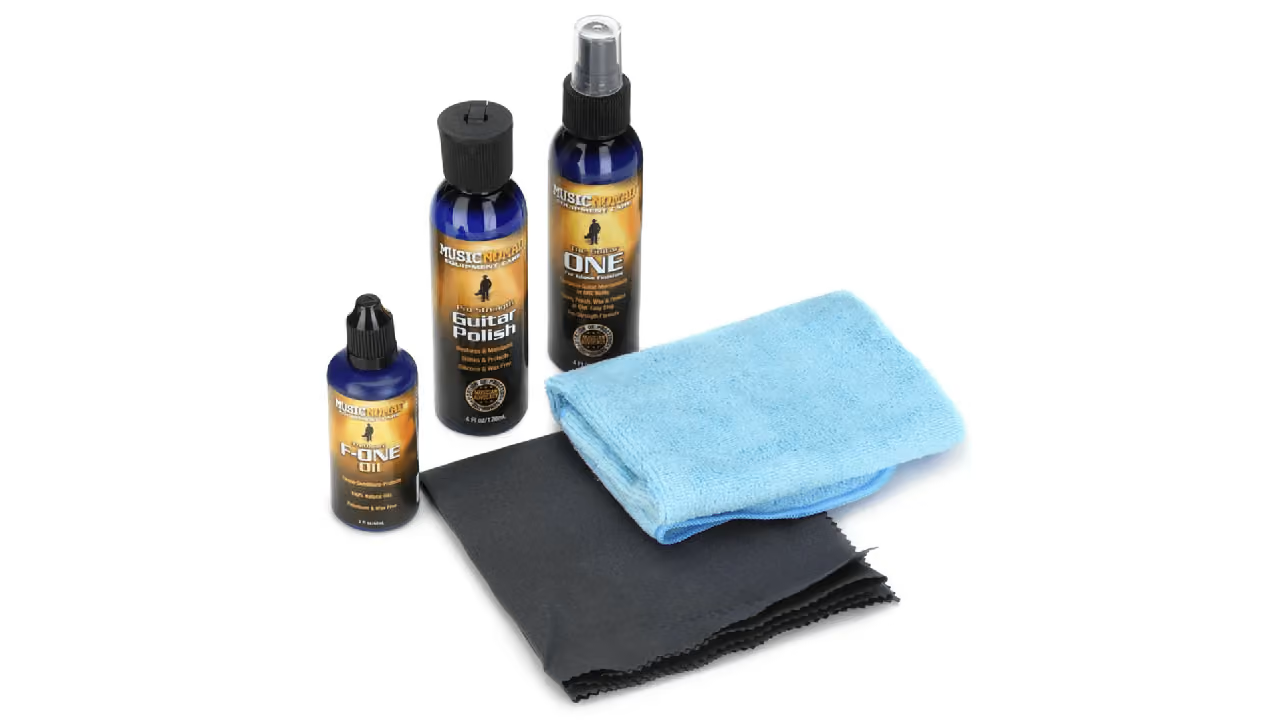
A few basic care items go a long way. A microfiber cloth helps keep dust and fingerprints off the finish. Fretboard oil is useful for cleaning and conditioning rosewood and ebony boards. MusicNomad and Dunlop offer affordable care kits that include everything you need to keep your instrument clean and looking nice. Keeping a backup tuner around is just a smart way to avoid unnecessary hassle before practice, rehearsal, or a gig.
Recording essentials
Audio interfaces
⭐ Staff pick: Focusrite Scarlett series
The Focusrite Scarlett is the classic first-interface recommendation for a reason. The line is built around straightforward USB recording, instrument-ready inputs for guitar or bass, and a workflow that makes it easy to plug in and start tracking without a degree in music production.
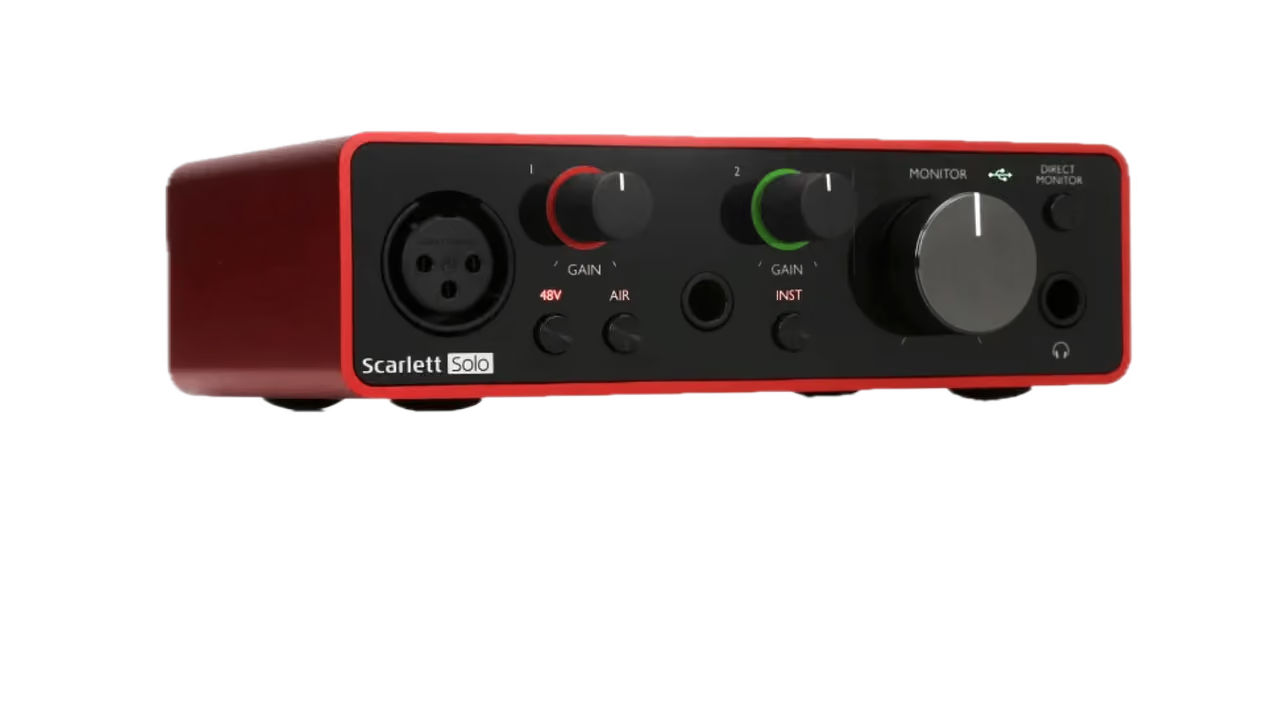
The current 4th Gen models also add features like Air mode, Auto Gain, and Clip Safe, which can be especially helpful for newer players still learning how to set levels cleanly.
Also recommended:
Universal Audio Volt
Universal Audio is one of the most respected names in music recording. Their Volt line sits in a really nice middle ground between the Scarlett and Apollo Twin: simple enough for a home setup, but with a little more personality built in. UA leans into usability with direct monitoring and a Vintage Mic Preamp mode for a more colored, analog-inspired feel.
Universal Audio Apollo Twin
If you have some recording knowledge and want to step things up in your home studio, Apollo Twin is a great option for a more professional recording rig. The big draw isn’t just the conversion quality, but the Apollo ecosystem itself: Unison preamps, real-time UAD plug-in tracking, and a workflow that mirrors what a lot of professional studios use to make albums.
Microphones for amp recording
Shure SM57
If you’re an analog player through and through and want an easy way to mic up your amp for recording, the Shure SM57 is the industry standard for guitar amps. Seriously, everyone should own one of these.
.avif)
It handles loud cabinets easily, has a cardioid pattern that helps keep bleed under control, and has that familiar presence-forward sound that helps guitars sit in a mix without much fuss.
Shure SM7B
Most people think of the SM7B as a vocal mic first. But it also works well on amps when you want something thicker and less pointy than an SM57. Michael Jackson used this to record Thriller, and for some reason, every aspiring podcaster now wants one too.
Royer R-121
The price tag of this mic may sting, but you’ll soon forget about that after hearing its warm, natural ribbon-mic tone. Royer explicitly builds it for guitar amps, from small combos to cranked high-wattage heads. It’s got a smoother top end that can make a bright amp sound instantly more expensive, and that’s exactly where a lot of players fall in love with it.
Electro-Voice RE20
The RE20 is one of those mics that does a lot of things very well. Its Variable-D design helps keep the low end tighter and more controlled when you get in close. This is a great all-around dynamic cardioid microphone that’s excellent for recording guitar amps and bass cabinets.
Sennheiser e 609
You’ll often see this affordable option on live stages because it makes miking amps super easy. Sennheiser built it specifically for face-on guitar cab use, and its flat-side design means it can hang right in front of the speaker, with or without a stand. If you’re looking for a no-fuss amp mic, this is the one.
That's enough gear to get you on stage and ready to rock. As a Pickup Music member, you can get additional guidance and consulting on your gear choices in our community forum and from our team of pro Guitar and Bass Coaches who are standing by to assist with your gear search.
Author: Chris Bartlett
Chris Bartlett is a guitarist and writer from Boston, Massachusetts, with 18 years of experience making music. After first picking up the guitar at 18, Chris took a break from music to pursue a PhD in English literature before returning to the instrument with a renewed sense of focus in 2021.
A former Pickup Music member, Chris eventually joined the Pickup team as a writer, bringing together his background in language, education, and guitar. These days, he spends most of his time studying the instrument, writing about music, and working toward his long-term goal of teaching students of his own.
Featured Pickup Music Instructor
Explore Lessons
%20(1).avif)
.avif)


%20(1).avif)


.avif)