Improve Your Rhythm and Groove in 10 Days
Take control of your timing.


Beginner bassists
If you've got a handle on basic bass techniques and understand rhythmic subdivisions, you're ready to jump in.
10 days
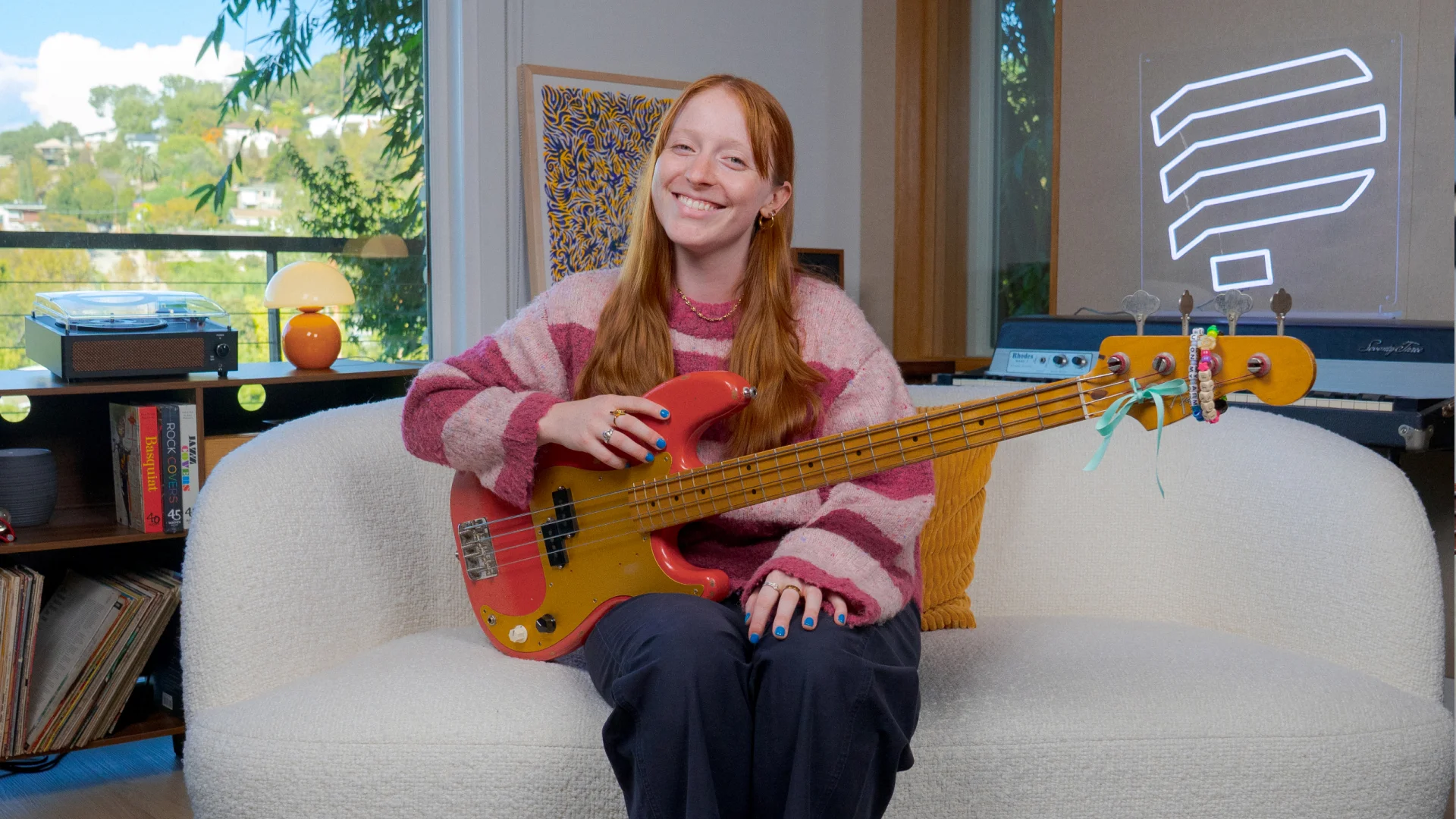
Zoe will guide you through 10 days of lessons with practical exercises and jams to help you improve your sense of rhythm.
Sharpen your timing
This class will help you develop a stronger internal metronome and build basslines that lock into the groove.
Take the next step
Once you've mastered this challenge, keep learning with more challenges and guided Learning Pathways.
What you'll learn
Anyone can play the right notes, but not everyone can make them feel good. In this class, professional bassist Zoe Sparks will help you develop a stronger sense of rhythm and take control of your feel.
- Lock in with the beat and sit in the pocket
- Make simple basslines feel great
- Get comfortable with different time signatures
- Add fills without losing the groove

Curriculum
Stay focused with this step-by-step learning program designed by our expert team of music educators.
Day 1. Don't lose the groove
Kick off the class with the foundation of any great bassline: a steady pulse. You'll work on developing your internal sense of time so you can stay locked into the beat without relying on the drums.

You may have heard of the sacred drum and bass relationship, but the first step toward better groove is being able to keep time on your own. In this first lesson, Zoe will put your timing to the test by challenging you to keep time while the drums drop out for increasingly long stretches.
Days 2-4. Get a feel for the groove
With your internal sense of time developed, you’ll now explore how the little rhythm details can make a big difference in your basslines. Zoe will help you keep a steady 8th-note pulse while using muting and dynamics to emphasize the groove.
Day 2. Develop your feel
Sometimes, leaving space is all it takes to make a bassline feel better. Using a track inspired by Thundercat's Them Changes, you'll practice muting with both hands to create a tighter groove that feels punchy.
Day 3. Straight 8th pulse
Driving 8th notes are a staple of bass playing across genres, but repeating the same root note can get old fast. Zoe will show you how to add movement and keep things interesting with octaves and the box shape over a track inspired by the Red Hot Chili Peppers.
Day 4. Dynamics & accents
Next, you’ll learn how to make a bassline feel completely different just by changing how loudly or softly you play. You’ll focus on controlling your volume and placing accents on different 8th notes to add more character to your grooves.
Days 5-7. Shuffle and syncopate
With your straight rhythms in the bag, you’ll move on to the swinging feel of shuffled 8th and 16th notes. Then, you'll work on syncopation to bring some unexpected rhythmic twists into your basslines.
Day 5. Shufflin' 8ths
Now, you’ll get into the lilting feel of shuffle rhythms by breaking them down into triplets. You'll practice maintaining that feel while using major triads and pentatonic patterns to create groovy basslines.
Day 6. Shufflin' 16ths
After you've gotten the shuffle feel down, it's time to work with smaller subdivisions. You'll practice playing shuffled 16th notes and using ghost notes to give your basslines an extra dose of funk.
Day 7. Exploring syncopation
Syncopation is all about emphasizing the “weaker” parts of the beat to give a bassline more bounce. You'll focus on the offbeats by playing through common syncopated patterns before tackling a tumbao groove inspired by Latin music.
Days 8-10. Take your groove further
Now that you’re armed with a strong foundation in time and feel, you’ll learn how to add fills without interrupting the flow of a bassline before stepping outside the familiar world of 4/4 time. You'll finish the challenge with a rhythm workout that tests how well you can switch between subdivisions while maintaining a steady pulse.
Day 8. Groove fills
Using the minor pentatonic scale, you'll create short melodic fills and add hammer-ons to bring some variety to your basslines without losing the groove. By the end of today, you'll understand why great fills don't have to be flashy to be effective.
Day 9. Groovin' in other time signatures
Not every song follows the familiar four beats per measure. That’s why you’ll step out of 4/4 with 6/8 before tackling 5/4 and 7/8 – using simple counting tricks to make these less familiar rhythms easier to play.
Day 10. Zoe's rhythm workout
Finish the challenge with a workout that puts your new sense of rhythm to the test. Zoe will act as your bandleader, calling out different subdivisions every eight bars while you work to keep the groove steady.
Performances
Put your new rhythmic skills to the test with two full performance pieces. In Finally Home, you'll use ghost notes and carefully placed rhythmic hits over a groove inspired by Home at Last. Then, Love Feels will challenge you to maintain your feel as you move between different sections of an R&B track inspired by D'Angelo's Feel Like Makin' Love.

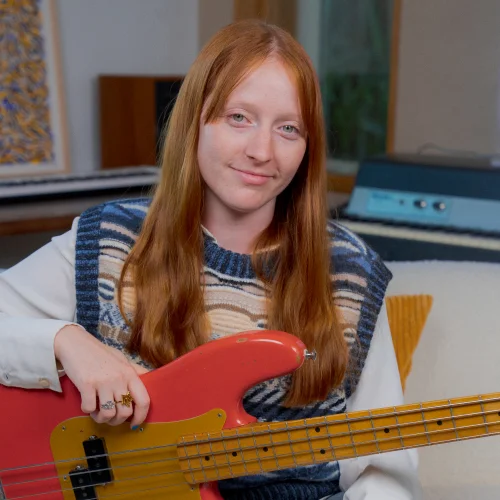
Your Instructor
Take control of your tone and groove with Zoe as she breaks down the techniques she's developed through years of professional playing.
Explore LessonsLimitless learning.
All-inclusive access to every course.





FULL REFUND, NO QUESTIONS ASKED
Improve your playing or get your money back
We’re so confident that we can improve your playing that we’re underwriting your membership with a 60-day satisfaction guarantee.
Frequently asked questions

The most structured approach to learning music